Hey Nikita is it cold
In your little corner of the world
You could roll around the globe
And never find a warmer soul to know
It all started with a song, Nikita, sung by Elton John, and written by Bernie Taupin. It was the mid-1980s, the Berlin Wall was still standing, and the Cold War continued between the Soviet Bloc and the United States. But many young people dreamed of a new world, with no more wars, no more nuclear threat, no more divisions. This song told the story of a German girl, a border guard, and her impossible love for a foreigner. It is a very romantic song, apparently pop, which nevertheless hides deep ideals that we kids who grew up in those years shared.
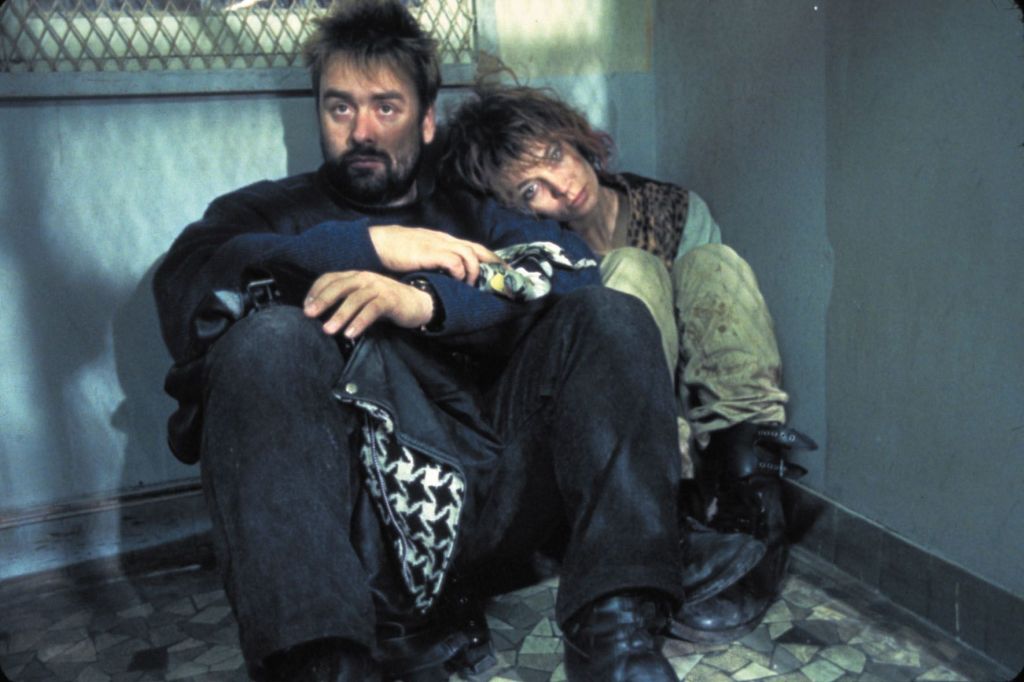
Luc Besson was inspired by this song to make perhaps his most famous film, Nikita, starring his then wife Annie Parillaud, beautiful and perfect in the role of a girl forced by events to become a ruthless killer.
If we want, this film is much more than an action thriller, albeit with the innovative element of a heroine at the center of the story. Perhaps Besson was the first to start this cinematic trend, which will then be expanded in the following years, always with great difficulty, up to works such as Wonder Woman interpreted by Gal Gadot.
It is a profoundly feminist, visionary film, a forerunner of the times and affects the imagination as perhaps few other films have done. It was released in 1990, a year after the fall of the Berlin Wall, almost simultaneously with another cult song of those years, Wind of Change by the legendary German band the Scorpions, which also spoke of change and freedom.
If we want, this film is also a moral parable, which reminds us of the importance of the fifth commandment: do not kill. Nikita kills a policeman during a robbery in a pharmacy, and this perhaps involuntary act, carried out under the influence of drugs, leads to a sentence, first judicial, then even more cruel, when she is recruited by the French secret services.
However, our heroine is a strong, determined, even sensitive woman, she loves her Marco in return, a normal guy she meets in a supermarket, and despite being in a situation where she sees no way out, she will succeed in the end with her courage and her determination to regain her freedom, but paying a very high price: the loss of her love.
Her relationship with the intelligence officer who enlists her is ambiguous, in the film played by a fascinating and cruel Tcheky Karyo, who looks a lot like the policeman she killed. Bob too, however, is the victim of a ruthless system, in which feelings have little space, sacrificed to a higher good, decided by the state.
The kissing scene between Nikita and Bob, at the end of the first rehearsal mission, is one of the most poignant in the history of cinema in my opinion and shows us how much stronger she is than him. How feelings are stronger than orders and discipline, and how fragile are actually people who have never experienced them.
I said that it is a feminist film above all because the protagonist thanks to her strength emerges from a past of drugs and violence, conquers a certain normality at a high price, (an apartment, a job, a love, etc …) and when the spiral of violence he is about to overwhelm her (her last mission to the embassy in the company of The Eliminator is dramatic) she breaks all ties both with the mentor and with her lover, and after a night of doubt and sadness, she flees to her freedom.
There is therefore a happy ending, a little bitter, but incredibly cathartic that embodies the spirit of those years, where everything was constantly changing, the roles overlapped, and the importance of freedom emerged strongly.
To say that this film is beautiful is perhaps limiting, it perfectly embodied the spirit of those years, and even today that we look at it perhaps with different eyes, more marked by economic crises, disappointments and broken ideals, it can only leave us awed and a little bit dismaied.